When you’re setting up a trail camera, GPS tracker or mobile router, the spare SIM card in your drawer can look like a handy shortcut. A normal mobile SIM may work in a compatible device. An IoT SIM card connects devices through a service designed for their needs, with features that can help when equipment is outdoors, moves between locations or needs to be managed remotely.
The main differences are network access, physical durability, and how you manage SIMs and data plans. With myFreeeway, these include access to multiple mobile networks across supported European countries, rugged SIM cards and a central online Hub. You can also pause and reactivate SIMs, and share data across devices on eligible plans. Features vary between IoT providers, so checking the specific offer matters.
IoT stands for Internet of Things: connected equipment that sends or receives information over the internet. An IoT SIM gives a device access to a mobile network so it can exchange that information. A GPS tracker might send its location to an app, while an EV charger reports its status or a security camera uploads a video clip.
A normal consumer SIM typically comes with a phone subscription covering calls, texts and mobile data. IoT connectivity services cater to equipment that may operate unattended for months or years, often with several devices managed together. That affects the network options, management tools and subscriptions available to you.
Coverage becomes very specific when a camera has to work on one particular tree at the edge of a forest. A normal mobile SIM usually relies on one operator’s network in its home country. With a multi-network IoT service, a compatible device can connect to several partner networks, giving it another option if one is unavailable.
For a trail camera, that can improve the chances of getting photos through from a remote spot. A tracker travelling between regions can also benefit as coverage changes along its route.
myFreeeway SIMs support multiple networks and automatic switching across supported countries. The networks available depend on the location, and switching also depends on the device and its settings. A usable mobile signal is still needed. Freeeway
Roaming matters if your devices cross borders. A router travelling with you around Europe needs a plan that covers your destinations and intended data use. myFreeeway supports roaming in its covered European countries without requiring a SIM swap at each border.
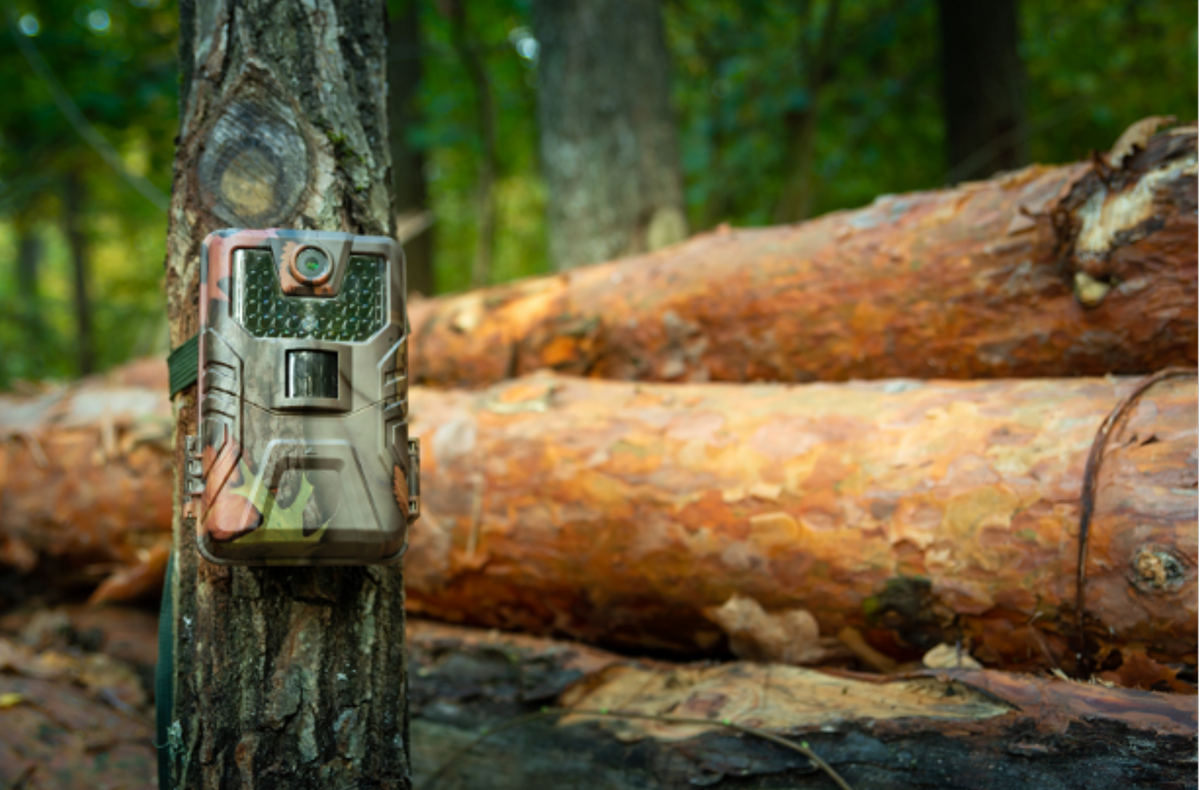
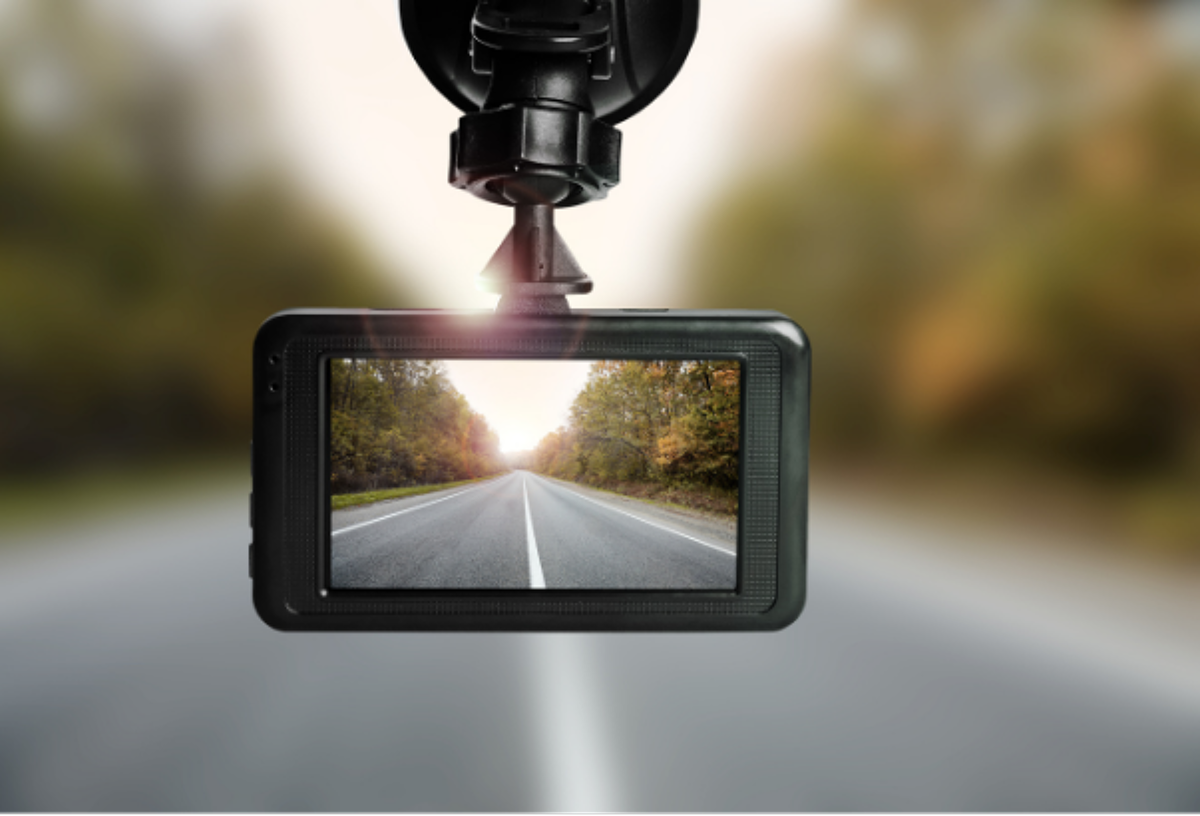
A dashcam in a parked car can face summer heat, while a trail camera may spend winter attached to a tree. Industrial-grade IoT SIMs are designed for demanding conditions such as temperature extremes and vibration, with operating ratings that depend on the specific card.
myFreeeway supplies rugged SIM cards for outdoor and continuous use. This is useful for equipment that stays installed for long periods, especially when reaching it means a drive or a climb up a ladder. The camera or router also needs suitable protection for its location; the SIM is one component of that setup.
Once you have a router, two cameras and a tracker, remembering which SIM belongs to which device gets less convenient. A central management platform gives you a place to see and control their connectivity.
In the myFreeeway Hub, you can manage your SIMs and plans online, including activating, pausing and reactivating SIMs. For a camera used only during part of the year, that makes it easier to manage connectivity around the season.
Eligible myFreeeway plans also support data pooling: several SIM cards share one subscription and data allowance. If one camera uploads more images than another, both draw from the same pool. The number of SIMs you can include depends on the plan.
A sensor sending occasional readings has a different appetite for data from a camera uploading video. IoT data plans cover both small, periodic transmissions and applications with much larger data volumes.
For cameras, usage depends on image resolution, video length and how often uploads are triggered. Routers need an allowance that reflects the activity of the devices using their connection. Those details are more useful when choosing a plan than the device name alone.
When comparing IoT data plans, look at the included data, supported countries, pooling options and how pausing or changing a subscription works. The monthly price is one part of what you’ll be managing over time.
Yes, in many cases, provided the device is compatible and the subscription permits that use. Before choosing a SIM for a tracker, camera or router, check:
A normal SIM can be suitable for a straightforward setup. Multi-network access, rugged construction and central management become useful when your device is harder to reach or you have several SIMs to look after.
If you’re setting up a compatible device, you can order your myFreeeway IoT SIM for free, with free shipping, and choose a paid data plan in the Hub when you’re ready to activate it.